
Feet that burn or feel hot at night usually point to irritated nerves — most often early peripheral neuropathy from diabetes, low vitamin B12, or alcohol use. If you've searched "why are my feet hot at night" or "why do my feet get hot at night," this is almost always the answer. Nights feel worse because your brain has fewer distractions and skin temperature shifts in bed. Cool rinses, breathable bedding, and treating the underlying cause bring real relief.
You get into bed, ready to rest. And right on schedule, your feet light up — hot, prickly, restless. You kick off the covers, search for a cool spot on the sheet, and wonder why this only seems to happen at night.
There is a real explanation. And more importantly, there are real things you can do about it — some of them tonight.
Why Is the Burning Worse at Night?
The burning is usually there during the day too. You just don't notice it as much, and that difference has three causes:
- Your brain has fewer distractions. During the day, walking, working, and conversation compete for attention. At night, the faulty signals from irritated nerves take center stage.
- Skin temperature changes in bed. Under the covers, your feet warm up, and damaged nerves overreact to that change. Even the brush of a sheet can register as heat or pain.
- Nerve signals get "louder" when you're still. Movement partially blocks pain signals on their way to the brain. Lying still removes that natural volume control.
In other words: night doesn't create the problem. It reveals it. That's why the cause deserves attention, not just the symptom. (If what you feel at night is less a burn and more sudden zaps or shooting jolts, see electric shock feeling in feet.)
Is "Hot Feet at Night" the Same as Burning Feet?
Usually, yes. Most people who search "why are my feet hot at night" or "why do my feet get hot at night" are describing the exact same nerve-irritation pattern as burning feet — the skin isn't actually warmer, but overactive nerve signals make it feel that way. The distinction only matters if your feet are visibly red, swollen, or genuinely hot to the touch, which can point to circulation issues or, rarely, erythromelalgia (more on that below) rather than typical nerve irritation.
What Causes Burning Feet? The 7 Most Common Culprits
1. Peripheral neuropathy — the leading explanation
Burning that starts in the toes and soles, worse at night, is a classic early sign of peripheral neuropathy: damage to the long nerves that serve your feet. Diabetes and prediabetes are the most frequent drivers.
If this pattern sounds like yours, our complete guide to neuropathy in feet walks through the whole picture — symptoms, diagnosis, and management.
2. Small fiber neuropathy
Sometimes standard nerve tests come back normal, yet the burning is very real. Small fiber neuropathy affects the thinnest nerve fibers — the ones that carry heat and pain signals — and often shows up as burning feet at night before anything else.
3. Vitamin B12 deficiency
Low B12 quietly damages nerves, and it becomes more common with age, with metformin, and with long-term acid-reducer use. A simple blood test can catch it, and treatment can stop the damage.
4. Alcohol use
Regular alcohol is directly toxic to nerves and depletes the B vitamins nerves need. Burning feet is one of the earliest signs of alcohol-related nerve irritation.
5. Athlete's foot and skin causes
Not all burning is nerves. A fungal infection can burn, itch, and sting — look for redness, peeling, or cracking between the toes. This one is visible, and treatable with antifungal care.
6. Thyroid problems
An underactive thyroid can cause fluid retention that presses on nerves, producing burning or tingling feet along with fatigue, cold intolerance, and weight changes.
7. Circulation and rare causes
Less often, burning comes from blood flow issues or a rare condition called erythromelalgia, where feet turn red, hot, and painful in episodes. Visible color change with heat is a sign to describe to your doctor precisely.
Burning often travels with pins and needles. If tingling is part of your picture, read Tingling in Your Feet: What It Means and When to Worry next.
How Can You Calm Burning Feet Tonight?
These steps don't fix the underlying cause, but they can turn the volume down enough to sleep:
- Rinse with cool — not icy — water. A few minutes calms overheated nerve endings. Skip ice: with reduced sensation, extreme cold can damage skin without warning you.
- Sleep with feet outside the covers. A breathable cotton sheet and a lighter blanket at the foot of the bed prevent the heat buildup that triggers flares.
- Elevate your feet slightly. A thin pillow under the ankles helps some people, especially when swelling is part of the picture.
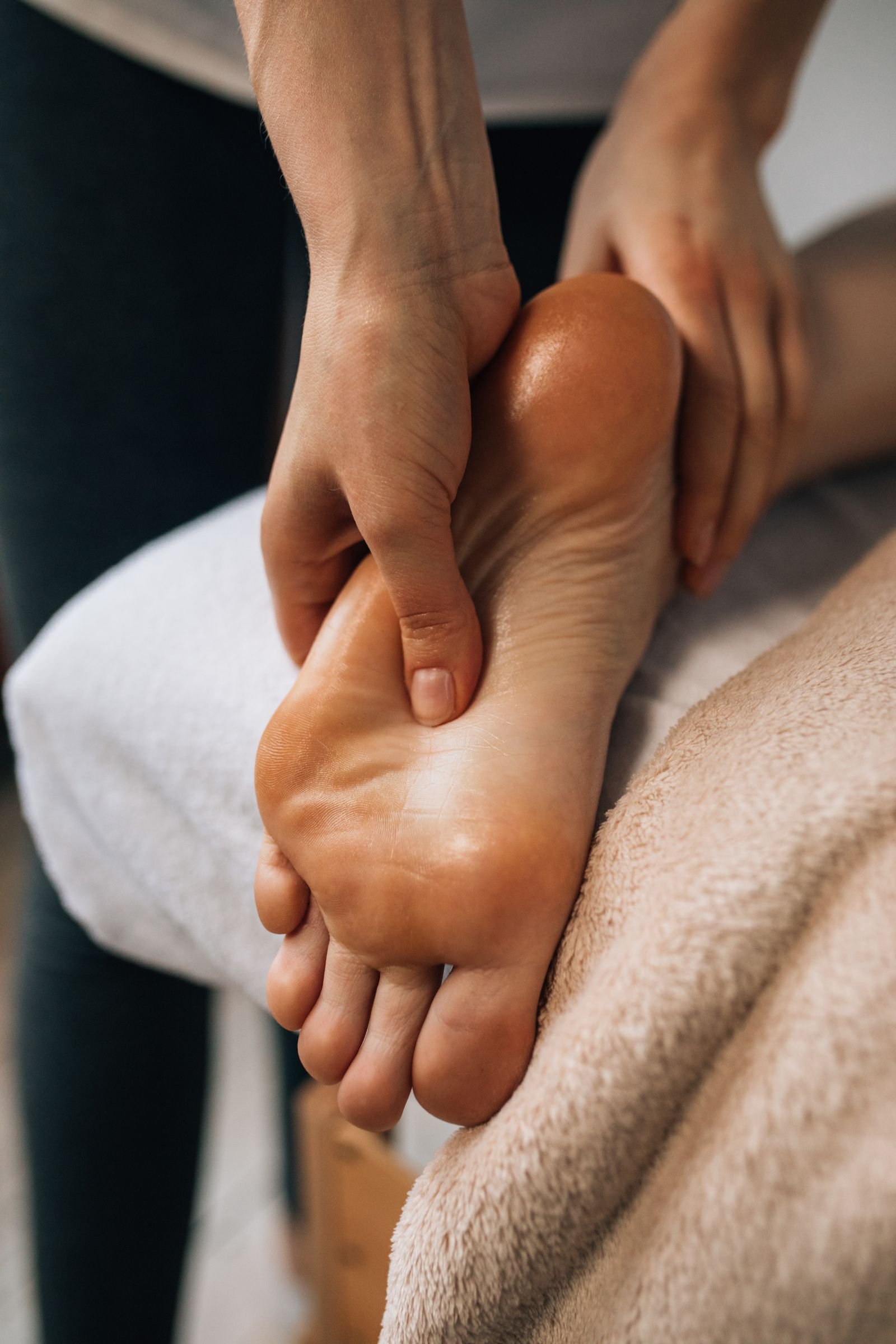
- Try five minutes of slow massage. Gentle pressure gives your brain competing signals to process and improves local circulation. It doubles as your daily foot check.
- Wind down the nervous system. Slow breathing or quiet reading before bed lowers overall pain sensitivity. Stress genuinely turns pain up.
What Daytime Habits Reduce Nighttime Burning?
What you do between breakfast and bedtime shapes how your feet feel at 11 p.m.:
- Keep blood sugar steady. If you have diabetes or prediabetes, this is the single strongest lever you own.
- Move every day. A daily walk in cushioned shoes improves circulation and calms nerve pain over time.
- Go easy on evening alcohol. It's a nerve irritant and a sleep disruptor wearing the same coat.
- Choose breathable socks and roomy shoes. Compressed, overheated feet all day tend to burn louder at night.

When Should You See a Doctor About Burning Feet?
Occasional warm feet after a long day is normal. A repeating pattern of nighttime burning is not — and it's worth a visit even if symptoms feel mild, because early treatment protects the nerves you still have.
Book an appointment if…
- Burning happens several nights a week or is getting worse
- You also notice numbness, tingling, or balance changes
- You have diabetes, thyroid disease, or drink alcohol regularly
- There are visible changes — redness, wounds, swelling, or skin peeling
- Burning appeared after starting a new medication
Describe the pattern precisely: when it starts, what it feels like, what helps. That story is diagnostic gold for your doctor.
Frequently Asked Questions
Why do my feet only burn at night and not during the day?
The burning is usually present during the day too, but masked by movement and distraction. At night your brain has fewer competing signals, skin temperature shifts under the covers, and irritated nerves overreact — so the same signals suddenly feel much louder.
Should I soak burning feet in cold water?
A brief rinse in cool — not icy — water can calm burning feet for a while. Avoid ice water: if nerve damage has reduced your sensation, extreme cold can injure skin without you feeling it. Lukewarm-to-cool water for a few minutes is the safer choice.
Is burning feet at night always neuropathy?
No. Nerve irritation is the most common explanation, but burning can also come from athlete's foot, thyroid problems, vitamin B12 deficiency, alcohol use, or, rarely, circulation conditions. A doctor can usually narrow it down with an exam and basic blood tests.
What helps burning feet at night fast?
Tonight: rinse feet in cool water, keep them outside the covers on a breathable sheet, elevate them slightly, and try a few minutes of slow massage. Longer term, the biggest levers are treating the underlying cause and reviewing options with your doctor.
Sources
- National Institute of Diabetes and Digestive and Kidney Diseases — Diabetic Neuropathy. niddk.nih.gov
- National Institute of Neurological Disorders and Stroke — Peripheral Neuropathy. ninds.nih.gov
- Cleveland Clinic — Burning Feet Syndrome. my.clevelandclinic.org
- Mayo Clinic — Burning feet: Causes. mayoclinic.org

Written by Ellen Parker
Ellen Parker is an independent health writer. She's not a doctor — she spends her days reading clinical research on peripheral neuropathy and translating it into plain English, so you don't have to face confusing information alone. More about Ellen and this site →
This article is for education only and is not medical advice. It cannot replace an evaluation by a healthcare professional who can examine you. Always talk to your doctor about your symptoms and before changing treatment. Full medical disclaimer