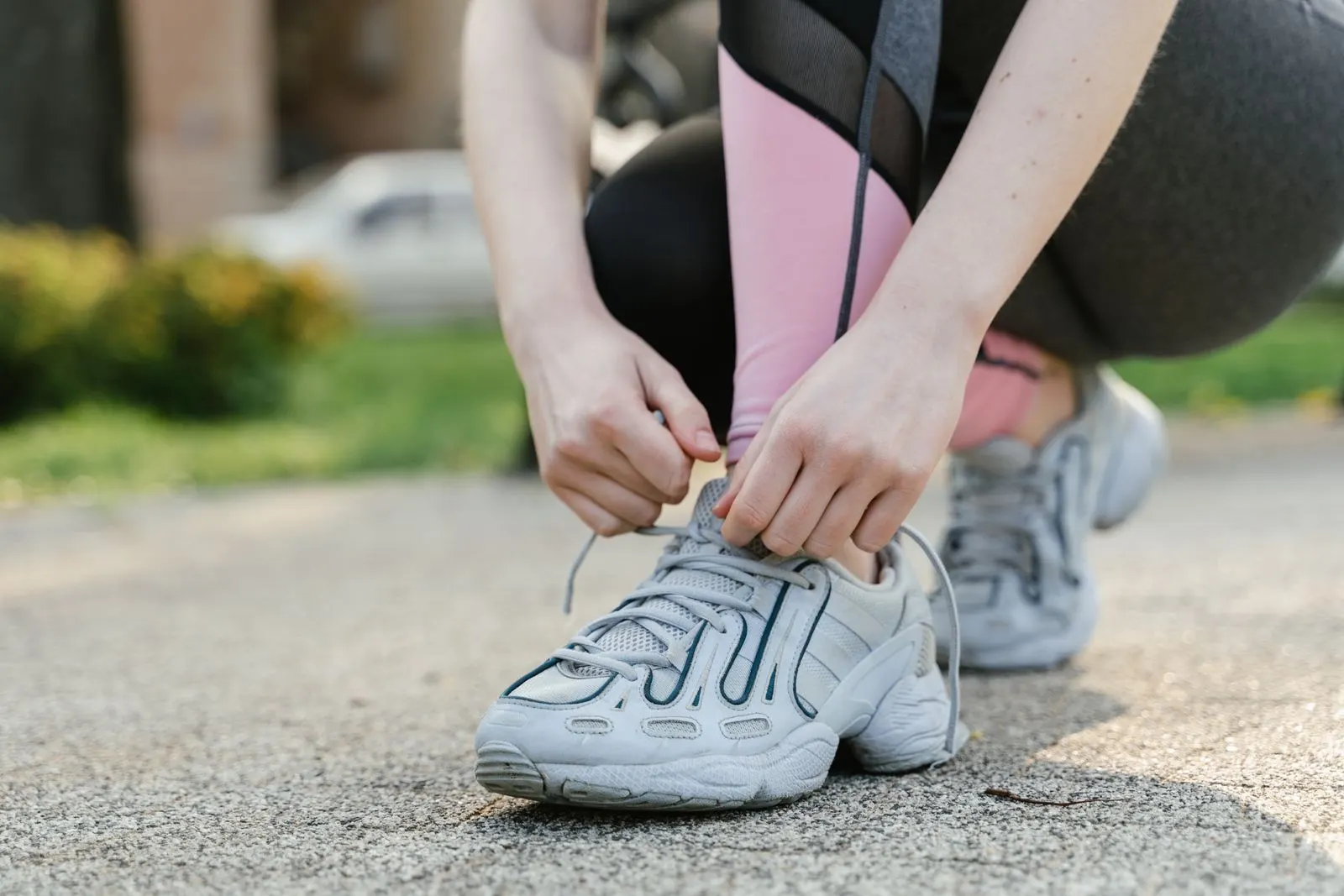
The best shoes for neuropathy have a wide, deep toe box, cushioned soles, seam-free interiors, low heels, and adjustable laces or straps. Fit them in the afternoon, when feet are largest. With diabetes, ask about therapeutic shoes — Medicare covers them for qualifying patients. Never rely on feel alone: numb feet need shoes that protect by design.
Here's the mental shift that changes everything: when your feet can't fully feel, your shoes have to do the feeling for them. Detecting pressure, blocking hazards, preventing rubbing — jobs your nerves used to handle now belong partly to your footwear.
That's why "which shoes?" is a genuinely medical question with neuropathy. Not brands — features. These are the ones that matter.
What Makes a Shoe Neuropathy-Friendly? The 7 Features
1. A wide, deep toe box
Toes need room to sit naturally without side pressure or rubbing on top. Squeezed toes mean friction, and friction on numb skin means unnoticed blisters. Test: with the shoe on, you should wiggle all toes freely, and the widest part of your foot should sit in the widest part of the shoe.
2. Real cushioning underfoot
A cushioned midsole spreads each step's impact — protective when foot padding thins and sensation dims. Walking and running shoes usually do this well; thin-soled flats and rigid dress shoes usually don't.
3. A smooth, seam-free interior
Run your hand inside any shoe before buying. Ridges, stitching, and rough patches your hand can feel are exactly what your foot might not. Removable insoles are a bonus — they let you check for hidden wear and swap in orthotics later.
4. Low heels, stable base
Heels above about an inch shift weight onto the forefoot — the very area neuropathy hits first — and narrow bases undermine balance that nerve damage already challenges. A firm, flat, slightly wide sole works with your stability, not against it.
5. Adjustable closure — laces, straps, or both
Feet with neuropathy often swell as the day goes on. Laces and hook-and-loop straps let the shoe adjust; slip-ons can't. Adjustability also keeps the foot from sliding, and sliding is friction wearing a disguise.
6. Breathable upper
Mesh and soft leather vent moisture that would otherwise soften skin — the same logic behind the moisture-wicking socks we recommend. Damp feet inside warm shoes are where skin problems start.
7. Protection all around
Closed toes and heels, always. Sandals, flip-flops, and open backs leave numb skin exposed to the stubs, scrapes, and drops you may not feel. Save open shoes for the beach chair, not the walk to it.
How Do You Fit Shoes to Feet That Can't Fully Feel?
Standard advice says "buy what feels comfortable." With neuropathy, comfort reports are unreliable — so borrow the rules podiatrists use:
- Shop in the afternoon. Feet swell through the day; morning-fitted shoes turn tight by evening.
- Measure both feet, every time. Sizes drift with age, and feet differ — fit the larger one.
- Stand and walk during fitting. Leave a thumb's width between longest toe and shoe end.
- Bring your actual socks. Cushioned socks change the fit meaningfully.
- Break new shoes in gradually. One to two hours at home the first days — then check your feet for red marks afterward. Redness that lasts more than a few minutes means pressure your nerves didn't report.
With Diabetes: Ask About Therapeutic Shoes
If you have diabetic neuropathy, you may qualify for professionally fitted footwear — and in the US, many people never claim it.
"Depth shoes" offer extra vertical room and come with custom or heat-molded inserts that redistribute pressure away from high-risk spots. The route runs through your doctor or podiatrist — one question at your next visit starts it: "Do I qualify for therapeutic shoes?"
What Should You Avoid Wearing?
- Going barefoot — including at home. Most unnoticed injuries happen indoors. House shoes with real soles are the habit that prevents them.
- Flip-flops and backless sandals — zero protection, constant gripping, guaranteed friction
- Pointed or narrow dress shoes — toe compression by design
- Worn-out shoes — compressed cushioning shifts pressure invisibly; replace every 300–500 walking miles or 6–12 months
- "Breaking in" pain — a shoe that needs suffering to fit is the wrong shoe, full stop
See a podiatrist rather than a shoe store if…
- You have any foot deformity — bunions, hammertoes, very high or flat arches
- You've had a foot ulcer or unnoticed wound before
- You have diabetes plus numbness — this combination merits professional fitting
- New shoes keep leaving red pressure marks no matter the size
Shoes protect from outside; movement heals from inside. Pair this guide with the sock buying guide — and the walking habit from our complete neuropathy guide.
Frequently Asked Questions
What shoes should I wear if I have neuropathy in my feet?
Choose shoes with a wide, deep toe box, cushioned soles, a smooth seam-free interior, low heels, and adjustable closures like laces or straps. Walking shoes and athletic shoes usually fit this profile best. The goal is pressure-free protection — your feet shouldn't have to feel danger to be safe from it.
Is walking barefoot bad for neuropathy?
With reduced sensation, yes — even at home. Most unnoticed foot injuries happen indoors: a dropped object, a hot floor, a small sharp edge. Supportive slippers or house shoes with real soles are the safer habit for numb feet.
Does Medicare cover shoes for diabetic neuropathy?
Medicare Part B covers one pair of depth or custom-molded therapeutic shoes plus inserts per year for people with diabetes who meet specific foot-risk criteria, when prescribed through their doctor. If you have diabetic neuropathy, ask your doctor whether you qualify — many eligible people never use this benefit.
When should I replace walking shoes if I have neuropathy?
Replace them when cushioning compresses or the sole wears unevenly — typically every 300 to 500 miles of walking, or roughly every 6 to 12 months of regular use. Worn shoes shift pressure in ways numb feet can't detect, so replace on schedule rather than by feel.
Sources
- Medicare.gov — Therapeutic shoes & inserts coverage. medicare.gov
- American Diabetes Association — Diabetes and Your Feet. diabetes.org
- CDC — Diabetes and Your Feet. cdc.gov
- National Institute of Diabetes and Digestive and Kidney Diseases — Diabetes & Foot Problems. niddk.nih.gov

Written by Ellen Parker
Ellen Parker is an independent health writer. She's not a doctor — she spends her days reading clinical research on peripheral neuropathy and translating it into plain English, so you don't have to face confusing information alone. More about Ellen and this site →
This article is for education only and is not medical advice. It cannot replace an evaluation by a healthcare professional who can examine you. Always talk to your doctor about your symptoms and before changing treatment. Full medical disclaimer