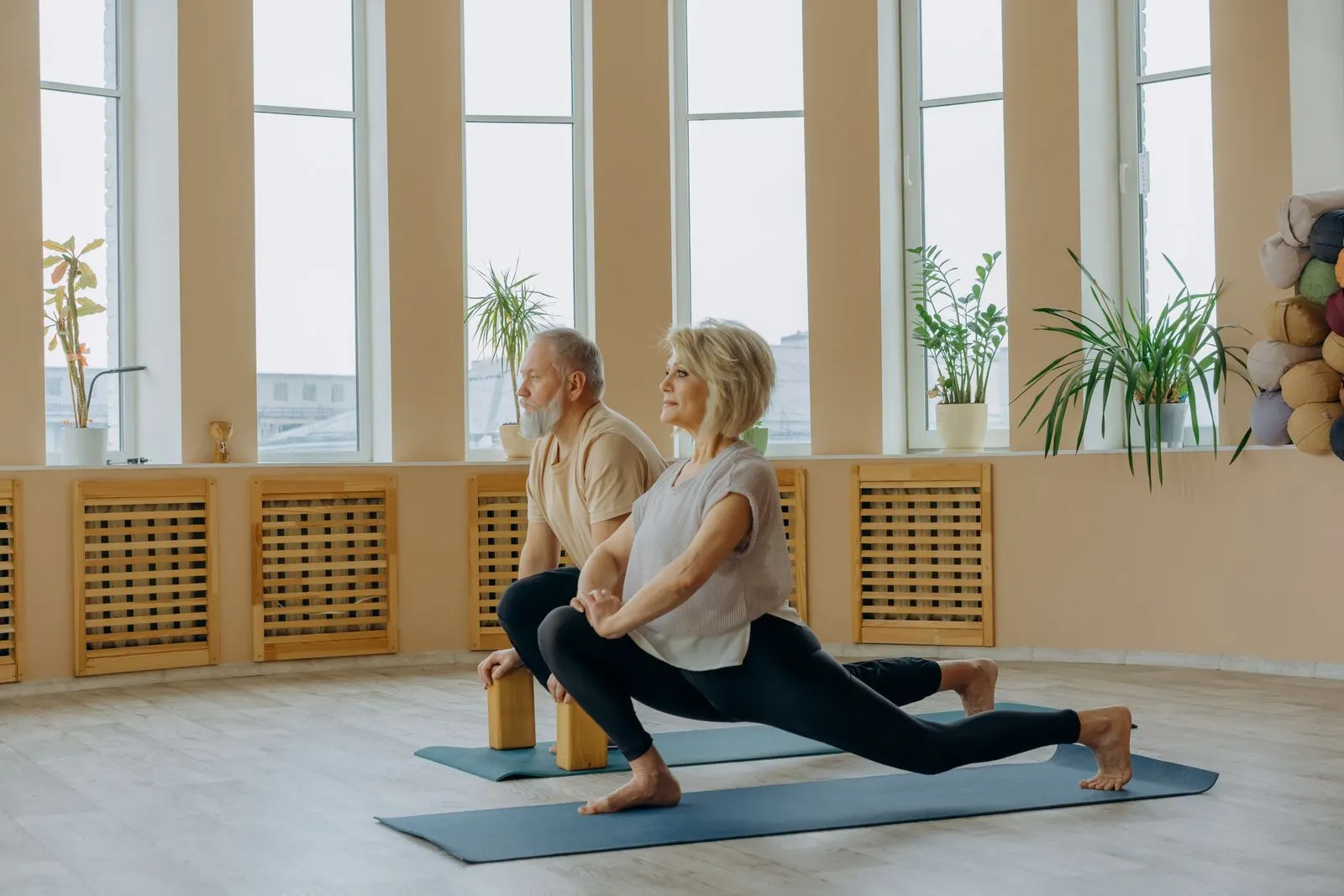
Gentle, regular exercise improves circulation to nerve endings, steadies blood sugar, and rebuilds the balance neuropathy erodes. Start with five minutes of seated foot moves daily — ankle circles, toe curls, calf raises — plus short walks in supportive shoes, and build gradually. Check with your doctor first, and keep support nearby for balance work.
Exercise advice usually arrives with a guilt trip attached. This isn't that. This is something more practical: with neuropathy, movement is one of the few tools that addresses the conditions your nerves live in — blood flow, blood sugar, and balance — rather than just muffling symptoms.
And the studies back it up: in people with diabetic neuropathy, regular gentle exercise is linked to less pain, better balance, and slower progression. Here are seven moves that need nothing but a chair, a counter, and a few minutes.
First: The Safety Rules (Two Minutes That Matter)
Before you start
- Clear it with your doctor — especially with diabetes, heart conditions, or foot wounds
- Shoes on for anything standing: cushioned, closed shoes and seamless socks
- Support within reach for balance moves — a counter, sturdy chair, or wall
- Check feet before and after — numb skin doesn't report blisters; your eyes must
- Pain is a stop sign — mild effort is fine, sharp or worsening pain is not
The 7 Exercises
1. Ankle circles (seated)
Sit tall, lift one foot slightly, and draw slow circles with your toes — ten in each direction, then switch feet. This pumps blood through the ankle and wakes up the joint's position sensors, which help compensate for dimmed skin sensation.
2. Toe curls and spreads (seated)
Barefoot on a mat or carpet — this one is safely seated. Curl your toes as if gripping a towel, hold three seconds, then spread them wide. Ten rounds per foot. It maintains the small foot muscles that keep your arch and push-off strong.
3. Seated marching
Sitting in a firm chair, lift one knee toward the ceiling, lower it with control, and alternate — twenty lifts total. It trains hip strength for walking and stairs without asking your feet to balance anything.
4. Calf raises (at the counter)
Stand holding the kitchen counter. Rise slowly onto the balls of your feet, pause, and lower with control — ten to fifteen repetitions. Calf muscles are the "second heart" pumping blood back from your feet; keeping them strong is direct circulation therapy.
5. Heel-to-toe stand (at the counter)
Still holding on, place one foot directly in front of the other, heel touching toe, and hold for ten to twenty seconds; switch feet. This narrow stance safely challenges the balance system neuropathy weakens. Progress over weeks: two fingers on the counter, then one, then hovering — never far from support.
6. Standing calf and ankle stretch
Face a wall, hands on it, one leg stepped back with heel down. Lean gently forward until you feel a calf stretch; hold twenty to thirty seconds per side. Flexible calves and ankles absorb the ground contact that stiff ones pass straight to your feet.
7. The daily walk — your cornerstone
Everything above prepares you for the one that matters most. Start with ten minutes on even ground in your best-cushioned shoes, and add five minutes each week toward a comfortable 20–30 most days. Swimming or a stationary bike substitute perfectly on sore-foot days — the goal is rhythm, not heroics.
How Do You Know It's Working?
Nerve benefits build quietly, so track the right signals. Over four to eight weeks of consistency, people typically notice steadier walking (especially in dim light), easier stairs, calmer feet in the evening, and better sleep. Symptoms may not vanish — the wins are function and confidence, and they compound. A simple habit tracker beats motivation: five minutes of foot moves with morning coffee, walk after lunch, feet checked at night.
Movement pairs with the rest of your toolkit: the evidence-backed home remedies, the right walking shoes, and the full picture in our complete neuropathy guide. If balance is a bigger concern than these moves address on their own, a doctor's referral for physical therapy builds on the same foundation with hands-on guidance.
Frequently Asked Questions
Can exercise really help neuropathy in feet?
Yes — regular gentle exercise is one of the best-supported non-drug approaches. Studies in people with diabetic neuropathy show improved circulation, better balance, less pain, and slower progression. Movement won't regrow nerves overnight, but it changes the conditions nerves live in.
What exercise should I avoid with neuropathy?
Be cautious with high-impact activities — running or jumping on hard surfaces — and anything barefoot, including some yoga classes, if sensation is reduced. Balance exercises are excellent but need support nearby. When feet have open wounds, swimming and floor exercises replace walking until healed.
How often should I do neuropathy exercises?
Small and daily beats long and occasional. Aim for the foot and ankle moves daily — they take five minutes — plus 20 to 30 minutes of walking or similar activity most days, built up gradually. Consistency over weeks is what studies associate with real improvement.
Is it safe to exercise if my feet are numb?
Usually yes, with precautions: supportive shoes, seamless socks, checking your feet before and after, and support nearby for balance work. Clear it with your doctor first — especially with diabetes, heart conditions, or any foot wounds — and start gently.
Sources
- National Institute of Diabetes and Digestive and Kidney Diseases — Diabetic Neuropathy. niddk.nih.gov
- American Diabetes Association — Fitness and diabetes management. diabetes.org
- National Institute of Neurological Disorders and Stroke — Peripheral Neuropathy. ninds.nih.gov
- Cleveland Clinic — Peripheral Neuropathy: management and treatment. my.clevelandclinic.org

Written by Ellen Parker
Ellen Parker is an independent health writer. She's not a doctor — she spends her days reading clinical research on peripheral neuropathy and translating it into plain English, so you don't have to face confusing information alone. More about Ellen and this site →
This article is for education only and is not medical advice. It cannot replace an evaluation by a healthcare professional who can examine you. Always talk to your doctor about your symptoms and before changing treatment. Full medical disclaimer