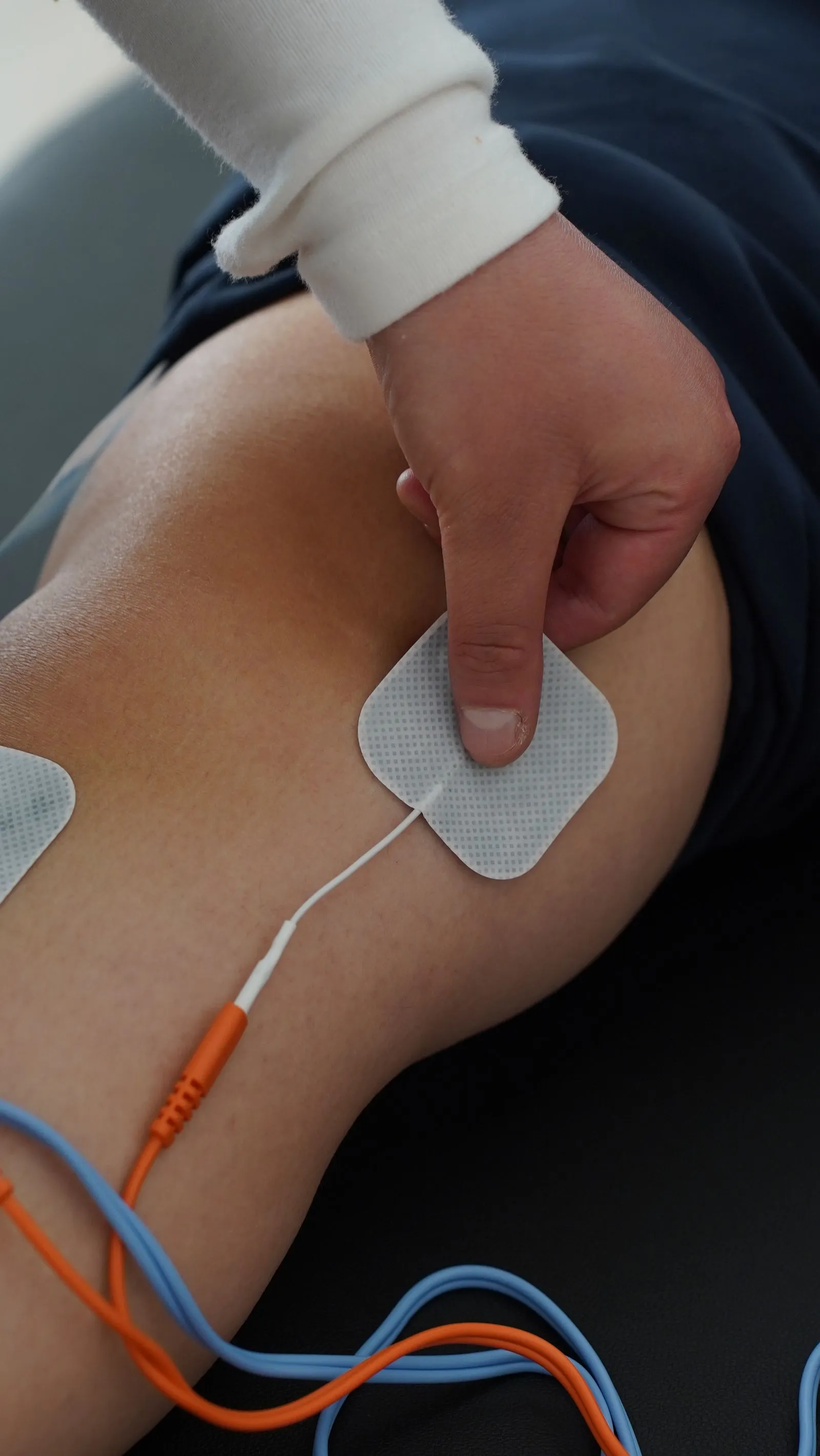
TENS (transcutaneous electrical nerve stimulation) units deliver mild electrical pulses through pads on the skin to interrupt pain signals. Research on diabetic peripheral neuropathy shows modest, mixed benefits — some people get real relief, others notice little difference — and it doesn't reverse nerve damage. It's generally safe when used as directed, but reduced foot sensation means checking with your doctor first matters more here than for most people.
TENS units show up constantly in neuropathy forums and pharmacy aisles, usually marketed as a simple, drug-free way to quiet nerve pain. The device itself is unassuming: a small box, some wires, and sticky pads. What it actually does — and doesn't do — is worth understanding before you buy one.
What Is a TENS Unit?
A TENS unit is a small, battery-powered device connected by wires to adhesive electrode pads placed on the skin. Once turned on, it sends mild electrical pulses through the pads, which most people describe as a tingling or buzzing sensation rather than pain. Intensity and pulse pattern are adjustable, and most consumer units are small enough to clip to a waistband for use throughout the day.
How Is It Supposed to Help Nerve Pain?
The leading explanation is called the gate control theory of pain: the electrical pulses stimulate large nerve fibers that carry touch and vibration, and those signals appear to "crowd out" the smaller fibers carrying pain signals on their way to the brain, effectively closing a gate on some of the discomfort. Some research also suggests TENS may prompt the release of the body's own natural pain-relieving chemicals, called endorphins, with continued use.
Either way, the mechanism is about modulating how pain signals are processed and perceived — not repairing the nerve damage that's causing them in the first place.
Does It Actually Help Neuropathy?
The honest answer is: for some people, meaningfully; for others, not much. Studies specifically on diabetic peripheral neuropathy — the most common cause of nerve pain in feet — have found modest short-term pain reduction in a portion of participants, but results are inconsistent across trials and effects vary widely from person to person. It's a reasonable thing to try, not a guaranteed fix.
That's the same honest framing that applies to most home comfort measures for neuropathy: worth trying, unlikely to be transformative on its own, and best used alongside — not instead of — whatever your doctor recommends for the cause behind your symptoms.
TENS is one tool among several for calming nerve pain day to day. See what doctors actually prescribe for the medication side, and home remedies for neuropathy for the other non-drug options with evidence behind them.
Who Should Be Careful — or Avoid It Entirely
TENS has a good safety record overall, but a few situations genuinely call for caution, and neuropathy itself adds one more: reduced sensation can make it harder to notice if intensity is set too high or if a pad is irritating the skin underneath.
Check with your doctor before using a TENS unit if…
- You have a pacemaker, implanted defibrillator, or other electronic implant — TENS can interfere with these devices
- You are pregnant — avoid placing pads near the abdomen or lower back without medical guidance
- You have epilepsy or a seizure disorder
- You have significantly reduced sensation in your feet — you may not feel a burn or pressure injury forming under a pad
- You have open wounds, rashes, or numb patches of skin where a pad would sit
Never place pads over the front or sides of the neck, directly over the heart, or on broken skin.
How to Use One Safely
- Start at the lowest intensity and increase gradually until you feel a comfortable tingling, never pain.
- Check the skin under the pads regularly — every session at first, since neuropathy can mask early irritation.
- Follow the placement guide that comes with your device, or ask your doctor or physical therapist to show you once.
- Don't use it while driving, operating machinery, or sleeping — you need to stay aware of the sensation and be able to adjust it.
- Replace pads when they lose stickiness — a poorly adhered pad can shift or deliver uneven current.
If you've been cleared to use one, it's a reasonable, low-cost addition to try — most units cost far less than a single specialist visit, and there's no real downside to a cautious trial period.
Frequently Asked Questions
Does a TENS unit help neuropathy pain?
Research on TENS for diabetic peripheral neuropathy shows modest, mixed results — many people report meaningful short-term relief, though study quality varies and it doesn't work the same way for everyone. It doesn't reverse nerve damage; it's a symptom-management tool, not a cure.
Is TENS safe for diabetic neuropathy?
It's generally considered safe when used as directed, but ask your doctor first. Reduced foot sensation makes it harder to feel if the intensity is too high or a pad is irritating the skin, so a doctor's input matters more here than it would for someone with normal sensation.
Who should not use a TENS unit?
People with a pacemaker or other implanted electronic device, pregnant women (avoid placement near the abdomen), and anyone with epilepsy should check with a doctor before using one. Pads should never go over broken skin, numb areas without medical guidance, or the front of the neck.
What's the difference between a TENS unit and an EMS device?
TENS (transcutaneous electrical nerve stimulation) targets pain signals and nerve sensation. EMS (electrical muscle stimulation) targets muscle contraction for strength or recovery. They can look similar but are built for different jobs, so one isn't a substitute for the other.
Sources
- National Institute of Neurological Disorders and Stroke — Peripheral Neuropathy. ninds.nih.gov
- Cleveland Clinic — TENS Unit (Transcutaneous Electrical Nerve Stimulation). my.clevelandclinic.org
- U.S. Food and Drug Administration — Transcutaneous Electrical Nerve Stimulation (TENS) Devices. fda.gov
- American Diabetes Association — Neuropathy (Nerve Damage). diabetes.org

Written by Ellen Parker
Ellen Parker is an independent health writer. She's not a doctor — she spends her days reading clinical research on peripheral neuropathy and translating it into plain English, so you don't have to face confusing information alone. More about Ellen and this site →
This article is for education only and is not medical advice. It cannot replace an evaluation by a healthcare professional who can examine you. Always talk to your doctor about your symptoms and before changing treatment. Full medical disclaimer