
Peripheral neuropathy in feet is nerve damage that causes burning, tingling, numbness, or stabbing pain, usually starting in the toes. Diabetes is the most common cause. It is manageable: treating the underlying cause, protecting your feet, staying active, and using doctor-guided treatments can slow it down and ease symptoms.
It often starts quietly. A strange tingle in your toes. A patch of skin that feels asleep. A burning that shows up at night, right when you want to rest.
If that sounds familiar, you are not imagining it — and you are far from alone.
This guide is your starting point. In plain English, it covers what neuropathy in feet feels like, what causes it, when to see a doctor, and what actually helps. Think of it as the map — every other article on this site branches out from here.
What Does Neuropathy in Feet Feel Like?
Peripheral neuropathy means the peripheral nerves — the long "wires" that connect your spine to your feet — are damaged and sending faulty signals. Because the longest nerves are affected first, symptoms almost always begin in the toes and soles.
People describe it in different ways:
- Burning — feet that feel hot or "on fire," often worse at night
- Tingling — pins and needles, buzzing, or a "carbonated" feeling
- Numbness — reduced feeling, like wearing an invisible sock
- Sharp pain — electric, stabbing, or shooting sensations (see electric shock feeling in feet for what causes them and what calms them)
- Odd textures — the sense of walking on pebbles, sand, or bubble wrap
- Crawling or itching — a bug-crawling feeling or unexplained itch with no rash (see crawling or itchy feeling in feet for why nerves cause this)
- A false sense of swelling — feet that feel puffy or tight but look completely normal (see why feet feel swollen when they're not for the simple test to tell nerve signals from real fluid)
- Heavy, weak-feeling legs at night — a tired, leaden feeling that isn't the same as true muscle weakness (see heavy, weak-feeling legs at night for how to tell nerve, vein, and artery causes apart)
- A false sense of wetness — feet that feel damp or wet when they're bone dry (see feet feel wet when they're actually dry for why, and when it might be infection instead)
- Cold or hot sensations — feet that feel cold even when they're warm to the touch (see cold feet vs. neuropathy for how to tell the difference)
- Balance trouble — feet that feel unreliable, especially in the dark
- Tripping or dragging your toes — a sign of more advanced nerve involvement; see foot drop and neuropathy for what it means
Symptoms usually build slowly, over months or years. That slow creep is exactly why many people wait too long to get checked — and why acting early matters.
Is burning your main symptom? Read Why Do My Feet Burn at Night? 7 Common Causes and How to Calm Them. More of a pins-and-needles feeling? Start with Tingling in Your Feet: What It Means and When to Worry. Losing feeling altogether? See Numbness in Toes: 9 Causes, From Harmless to Serious.
What Causes Peripheral Neuropathy in Feet?
Nerves are delicate, and many things can damage them. These are the causes doctors see most often:
Diabetes — the leading cause
High blood sugar slowly injures both the small blood vessels that feed your nerves and the nerves themselves. According to the National Institute of Diabetes and Digestive and Kidney Diseases (NIDDK), about half of people with diabetes develop some form of nerve damage over their lifetime. It can begin even in prediabetes, before a formal diagnosis. See the early signs most people miss for what to watch for before it advances.
Vitamin B12 deficiency
Your nerves need vitamin B12 to maintain their protective coating. Low B12 is surprisingly common after age 60, partly because absorption drops with age and with common medications such as metformin and acid reducers. The good news: when caught early, this cause is treatable. See the connection doctors check first for who's at risk and how testing works.
Other frequent causes
- Alcohol overuse — toxic to nerves over time, and often paired with poor nutrition; see alcohol and neuropathy for how much matters and whether nerves can heal
- Chemotherapy — some cancer treatments are known to trigger neuropathy, see chemotherapy-induced neuropathy for what to expect
- Thyroid, kidney, and autoimmune conditions — including hypothyroidism (see thyroid problems and neuropathy), advanced kidney disease, lupus, and Sjögren's
- Certain medications — always review your list with your doctor or pharmacist
- Infections and injuries — shingles, Lyme disease, or nerve compression
Sometimes no cause is found even after testing. Doctors call this idiopathic neuropathy. It is frustrating to hear, but the management steps below still apply — and still help.

Why Do Symptoms Feel Worse at Night?
Almost everyone with neuropathy notices the same pattern: evenings and nights are harder. There are real reasons for that. With fewer distractions, your brain gives pain signals more attention. Skin temperature shifts as you settle under the covers, and damaged nerves overreact to those small changes. Even the light touch of a sheet can register as burning.
Night symptoms deserve their own playbook — cooling routines, bedding tweaks, and habits that calm the nervous system before sleep. We cover them step by step in the burning feet at night guide.
When Should You See a Doctor?
Any new, persistent change in how your feet feel deserves a medical visit. Early diagnosis protects you, because some causes are fully treatable and all of them are easier to manage before nerve damage advances.
See a doctor promptly if…
- Numbness or weakness appears suddenly or spreads quickly
- Symptoms follow an injury or start after a new medication
- You notice balance problems, falls, or trouble walking
- You have diabetes and find any cut, blister, or sore that heals slowly
- Foot pain comes with dizziness, chest pain, or trouble speaking — call emergency services
Reduced sensation can hide serious foot damage, especially with diabetes. When in doubt, get it checked.
Most neuropathy is managed well by a primary care doctor. For the cases that genuinely need a specialist, see when to see a neurologist for neuropathy in feet.
How Is Neuropathy in Feet Diagnosed?
There is no single "neuropathy test." Doctors usually combine a few steps, and none of them are frightening:
- History and exam. Your doctor asks when symptoms started and checks reflexes, strength, and sensation — often with a thin nylon filament pressed against your sole.
- Blood tests. These look for diabetes, B12 deficiency, thyroid problems, and other treatable causes.
- Nerve studies. If the picture is unclear, tests such as nerve conduction studies or EMG measure how well your nerves carry signals.
Write down your symptoms before the visit — when they started, what they feel like, what makes them better or worse. A clear story helps your doctor find the cause faster. For a full walkthrough of what each step involves, see how neuropathy in feet is diagnosed. And if the workup comes back without a clear answer, that's genuinely common — see idiopathic peripheral neuropathy for what it means and how to manage it anyway.
What Actually Helps Neuropathy in Feet?
Managing neuropathy stands on two legs: treating the cause and calming the symptoms. Here is what evidence and clinical practice support.
Treat the root cause first
This is the single most powerful step. Better blood sugar control can slow diabetic neuropathy. B12 supplementation can reverse deficiency-related symptoms. Reducing alcohol gives nerves a chance to recover. Ask your doctor directly: "What is driving my neuropathy, and what can we do about that?"
Protect your feet every day
When sensation is reduced, small problems can grow silently. A simple daily habit prevents most of them: look at your feet each evening (use a mirror for the soles), keep skin moisturized with a fragrance-free cream that protects rather than irritates, trim nails carefully, and never walk barefoot outside. Choose shoes with a wide toe box and cushioned soles, paired with seamless socks. Curious about compression socks specifically? They're not automatically safe for everyone — see why before trying them.

Keep moving — gently
It sounds backwards when your feet hurt, but regular gentle movement is one of the best-supported habits for nerve health. Walking, swimming, stationary cycling, and balance exercises improve circulation and help control blood sugar. Start small — even ten minutes counts — and build up gradually. For step-by-step moves you can do at home, see 7 gentle exercises for neuropathy in feet. If balance or falls are a concern, ask your doctor about a referral — see what a physical therapy session actually involves.
Calm the symptoms
- Prescription options. Doctors may suggest medicines developed for nerve pain. They do not fix the nerves, but they can turn the volume down enough to sleep and function — see what doctors actually prescribe for the main options.
- Warm (not hot) foot soaks. Test water with your elbow or a thermometer first — reduced sensation makes burns a real risk.
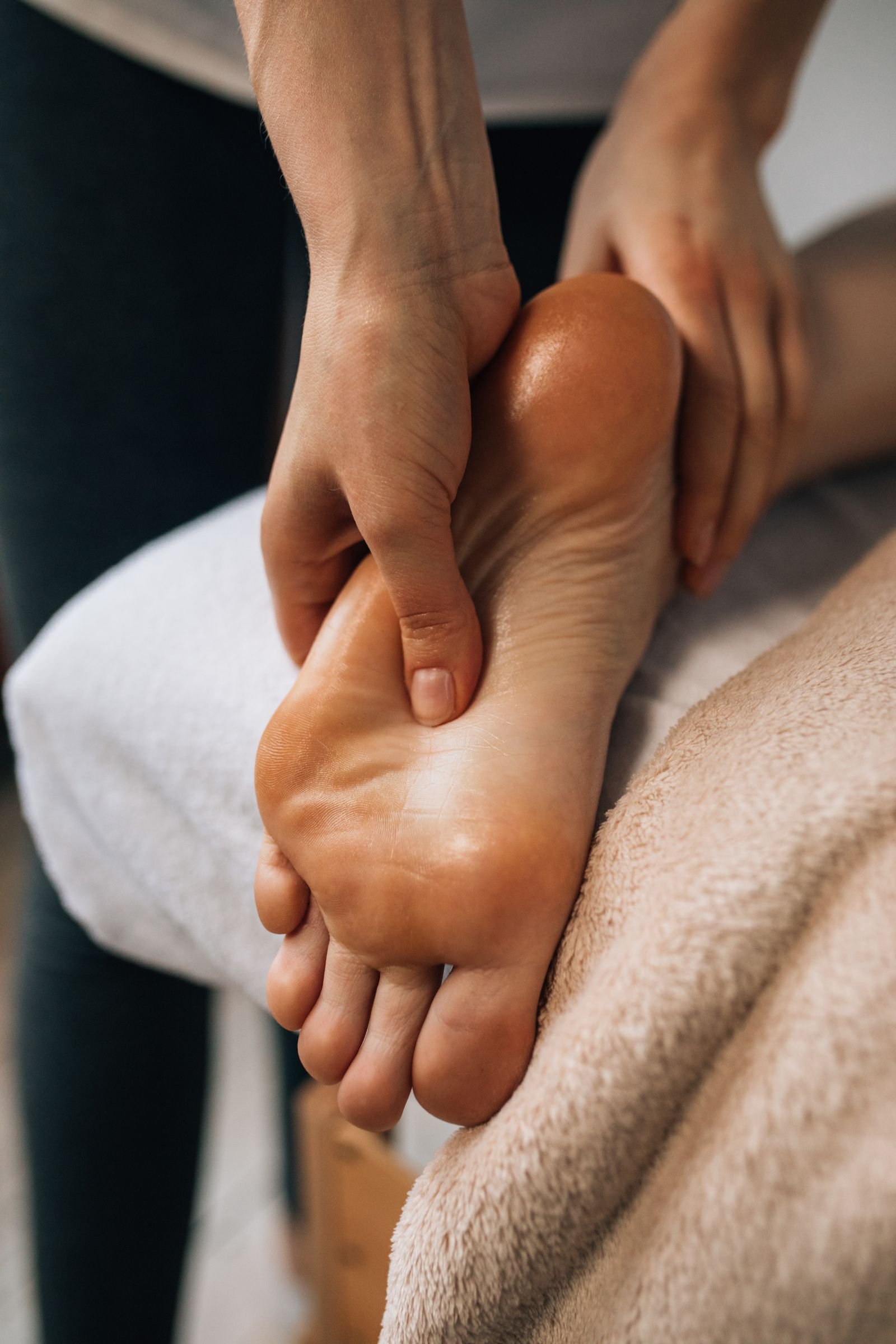
- Gentle foot massage. A few minutes of slow massage can ease discomfort and doubles as your daily foot check.
- Topical options. Some people get relief from doctor-recommended creams or patches designed for nerve pain.
- TENS units. A drug-free device that some people find helpful — see TENS units for neuropathy pain for what the research actually shows.
- Supplements some people try. Alpha-lipoic acid has the most research behind it — see what the evidence actually shows, including safety notes that matter if you take diabetes medication.
For the full, honest breakdown of what home care can and can't do — including what to skip — see 8 home remedies for neuropathy in feet. And if you want to know what people who genuinely recovered had in common, see what people who found relief actually did.
Can You Live Well With Neuropathy in Feet?
Yes — and this part matters as much as any treatment. Neuropathy is usually a condition you manage, not a sentence you serve. People walk trails, travel, garden, dance at weddings, and keep their independence with neuropathy. The ones who do best tend to share three habits: they treat the underlying cause seriously, they protect their feet daily, and they keep moving.

Start where you are. Book the doctor's appointment. Take tonight's first foot check. Put your walking shoes by the door. Small steps, taken daily, are how this journey turns around.
Frequently Asked Questions
Can peripheral neuropathy in feet be cured?
There is no universal cure, but neuropathy can often be slowed, managed, and sometimes improved — especially when the cause is treatable, such as a vitamin B12 deficiency or poorly controlled blood sugar. Early diagnosis makes a real difference, so see a doctor as soon as symptoms appear.
What does neuropathy in feet feel like at the beginning?
Early neuropathy usually starts with subtle tingling or numbness in the toes, a pins-and-needles feeling, or burning that is worse at night. Many people describe it as walking on pebbles or wearing an invisible sock. Symptoms typically begin in the toes and slowly move upward.
Is walking good or bad for neuropathy in feet?
For most people, gentle walking helps. Regular movement improves circulation, supports nerve health, and helps control blood sugar — a major driver of neuropathy. Wear supportive shoes, check your feet afterward, and talk to your doctor before starting a new routine, especially if you have diabetes.
What is the most common cause of neuropathy in feet?
Diabetes is the most common cause. According to the NIDDK, about half of people with diabetes develop some form of nerve damage. Other frequent causes include vitamin B12 deficiency, alcohol overuse, chemotherapy, thyroid problems, and certain medications.
When should I worry about numbness in my feet?
See a doctor promptly if numbness appears suddenly, spreads quickly, follows an injury, or comes with weakness, dizziness, or loss of balance. If you have diabetes, any foot wound that is slow to heal deserves same-week medical attention, because reduced sensation can hide serious damage.
Sources
- National Institute of Neurological Disorders and Stroke — Peripheral Neuropathy. ninds.nih.gov
- National Institute of Diabetes and Digestive and Kidney Diseases — Diabetic Neuropathy. niddk.nih.gov
- Mayo Clinic — Peripheral neuropathy: Symptoms and causes. mayoclinic.org
- NIH Office of Dietary Supplements — Vitamin B12 Fact Sheet for Health Professionals. ods.od.nih.gov

Written by Ellen Parker
Ellen Parker is an independent health writer. She's not a doctor — she spends her days reading clinical research on peripheral neuropathy and translating it into plain English, so you don't have to face confusing information alone. More about Ellen and this site →
This article is for education only and is not medical advice. It cannot replace an evaluation by a healthcare professional who can examine you. Always talk to your doctor about your symptoms and before changing treatment. Full medical disclaimer