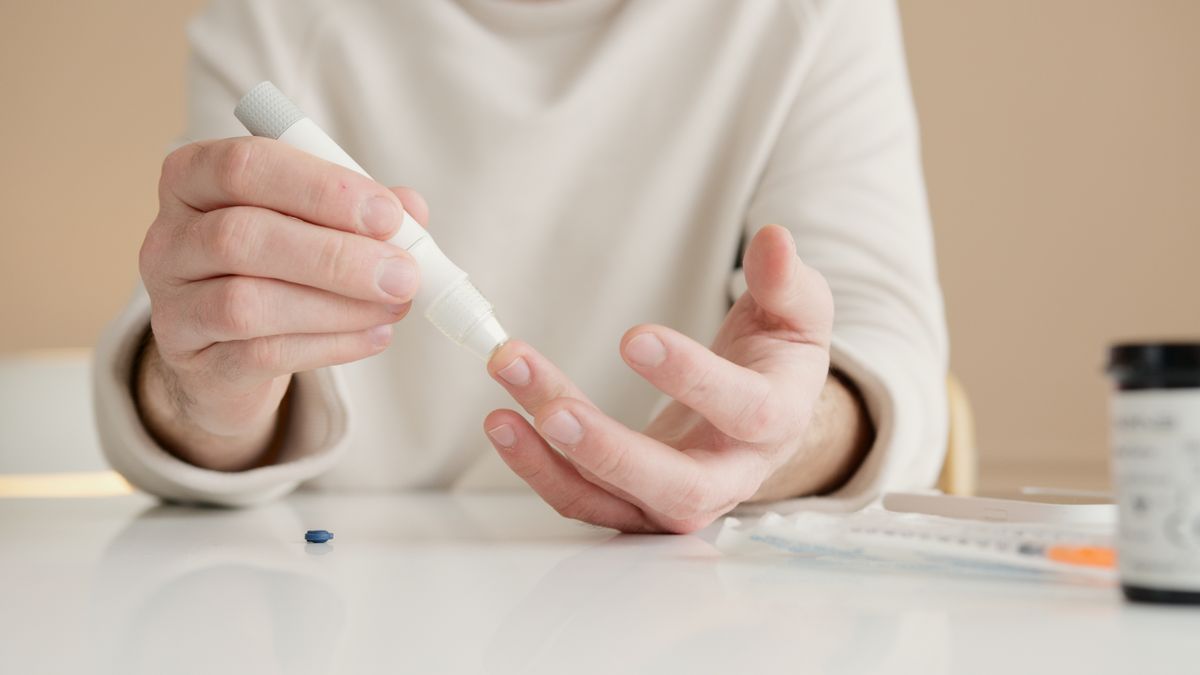
Diabetic neuropathy usually announces itself quietly: tingling or numb toes, feet that burn at night, unusually dry skin, or small wounds you didn't feel happen. It affects about half of people with diabetes. Caught early — through daily foot checks and yearly exams — its progress can be slowed dramatically.
Nobody misses a broken bone. But diabetic neuropathy doesn't break — it fades. Sensation dims so gradually that the early chapters get explained away: tired feet, bad shoes, getting older.
Those early chapters are precisely when action helps the most. So let's name the signs clearly.
Why Does Diabetes Damage the Nerves in Your Feet?
Sustained high blood sugar harms nerves in two ways: it injures the nerves directly, and it damages the tiny blood vessels that feed them. The longest nerves — the ones reaching your toes — run out of support first. That's why diabetic neuropathy almost always begins in the feet, on both sides, and creeps upward like a slowly rising sock.
One more thing worth knowing: nerve symptoms can begin in prediabetes, before any diagnosis. Foot symptoms are sometimes the first messenger of a blood sugar problem no one has tested for yet.
What Are the Early Signs Most People Miss?
1. Tingling or numbness that comes and goes
The earliest sign is usually intermittent: toes that buzz in the evening, a numb patch that appears and fades. Because it isn't constant, it's easy to dismiss. Pattern matters more than intensity — "keeps coming back" is the phrase to take seriously.
2. Feet that burn at night
Warmth, prickling, or outright burning that shows up at bedtime is classic early nerve irritation. We cover the mechanics — and a calming routine — in Why Do My Feet Burn at Night?
3. Unusually dry, cracking skin
Nerves also control sweat and oil glands. When they falter, feet turn dry and flaky, and heels crack. Few people connect skincare to nerve health — but this sign often arrives early.
4. Small wounds you didn't feel happen
A blister discovered only when you take off your socks. A cut you can't explain. When injuries stop announcing themselves, sensation is already reduced — this sign deserves a doctor's visit this week, not this year.
5. The "thin sock" feeling
Many people describe the strange sense of a film between foot and floor — like walking on cotton or wearing an invisible sock. It reflects dimmed sensation and is highly characteristic of early neuropathy.
6. Subtle balance changes
Your feet constantly report floor position to your brain. As reports weaken, you may feel less sure-footed in the dark or on uneven ground — often before any obvious numbness.
Why Does Catching It Early Matter So Much?
Two honest reasons. First, slowing works best early: better blood sugar control protects the nerve fibers you still have, and early symptoms sometimes improve. Second, unnoticed wounds on numb feet can become serious infections — the complication behind most diabetes-related foot emergencies. Early awareness, daily checks, and good footwear prevent the overwhelming majority of those outcomes. This isn't a reason for fear; it's a reason for a routine.
How Do You Check Yourself — and What Will the Doctor Do?
Your daily 60 seconds
- Look at tops, soles, and between the toes (a hand mirror helps)
- Watch for redness, blisters, cuts, swelling, or color changes
- Moisturize dry skin — but not between the toes
- Never walk barefoot, even at home
The yearly professional exam
Once a year (minimum), a clinician should examine your feet: testing sensation with a thin nylon monofilament, checking vibration sense, pulses, and skin condition. It takes minutes, it's painless, and it catches what daily checks can't. If you have diabetes and haven't had one in the past year, that's your next appointment.
Not sure your symptoms are diabetes-related? The complete guide to neuropathy in feet walks through all the major causes — including the treatable ones like the patterns behind tingling.
What Actually Slows Diabetic Neuropathy Down?
- Blood sugar control — the headline. Keeping A1C in your target range is the single most powerful protector of nerve health. Small, steady improvements count.
- Movement most days. Walking, swimming, or cycling improves circulation and insulin sensitivity — a double win for nerves.
- Foot protection. Cushioned, roomy shoes and seamless socks prevent the injuries reduced sensation might miss.
- Team up with your doctor. Report new symptoms promptly, review medications, and keep that yearly exam sacred. Kidney function is worth checking too — diabetes, kidneys, and nerves are more connected than most people realize.
The quiet truth about diabetic neuropathy: the people who do best aren't the ones who never get symptoms. They're the ones who take the early whispers seriously — and build the routine before the shouting starts.
Frequently Asked Questions
What does diabetic neuropathy feel like at the start?
Early diabetic neuropathy usually feels subtle: occasional tingling or numbness in the toes, feet that burn at night, unusually dry skin, or the odd sense of wearing thin socks. Symptoms typically affect both feet and build slowly over months.
Can diabetic neuropathy be reversed if caught early?
Established nerve damage usually can't be fully reversed, but early neuropathy can often be slowed dramatically — and mild symptoms sometimes improve — with tight blood sugar control, regular activity, and good foot care. That's why catching the early signs matters so much.
How often should a person with diabetes check their feet?
Look at your feet every day — tops, soles, and between the toes, using a mirror if needed — and have a professional comprehensive foot exam at least once a year, or more often if your doctor recommends it. Daily checks catch small problems before reduced sensation lets them grow.
Can you have diabetic neuropathy with normal blood sugar readings?
Nerve symptoms can begin during prediabetes, when readings are only mildly elevated, and past years of high blood sugar can leave damage even after control improves. If you have foot symptoms and any history of blood sugar problems, mention both to your doctor.
Sources
- National Institute of Diabetes and Digestive and Kidney Diseases — Diabetic Neuropathy. niddk.nih.gov
- American Diabetes Association — Standards of Care: foot care and neuropathy screening. diabetes.org
- Mayo Clinic — Diabetic neuropathy: Symptoms and causes. mayoclinic.org
- CDC — Diabetes and Your Feet. cdc.gov

Written by Ellen Parker
Ellen Parker is an independent health writer. She's not a doctor — she spends her days reading clinical research on peripheral neuropathy and translating it into plain English, so you don't have to face confusing information alone. More about Ellen and this site →
This article is for education only and is not medical advice. It cannot replace an evaluation by a healthcare professional who can examine you. Always talk to your doctor about your symptoms and before changing treatment. Full medical disclaimer