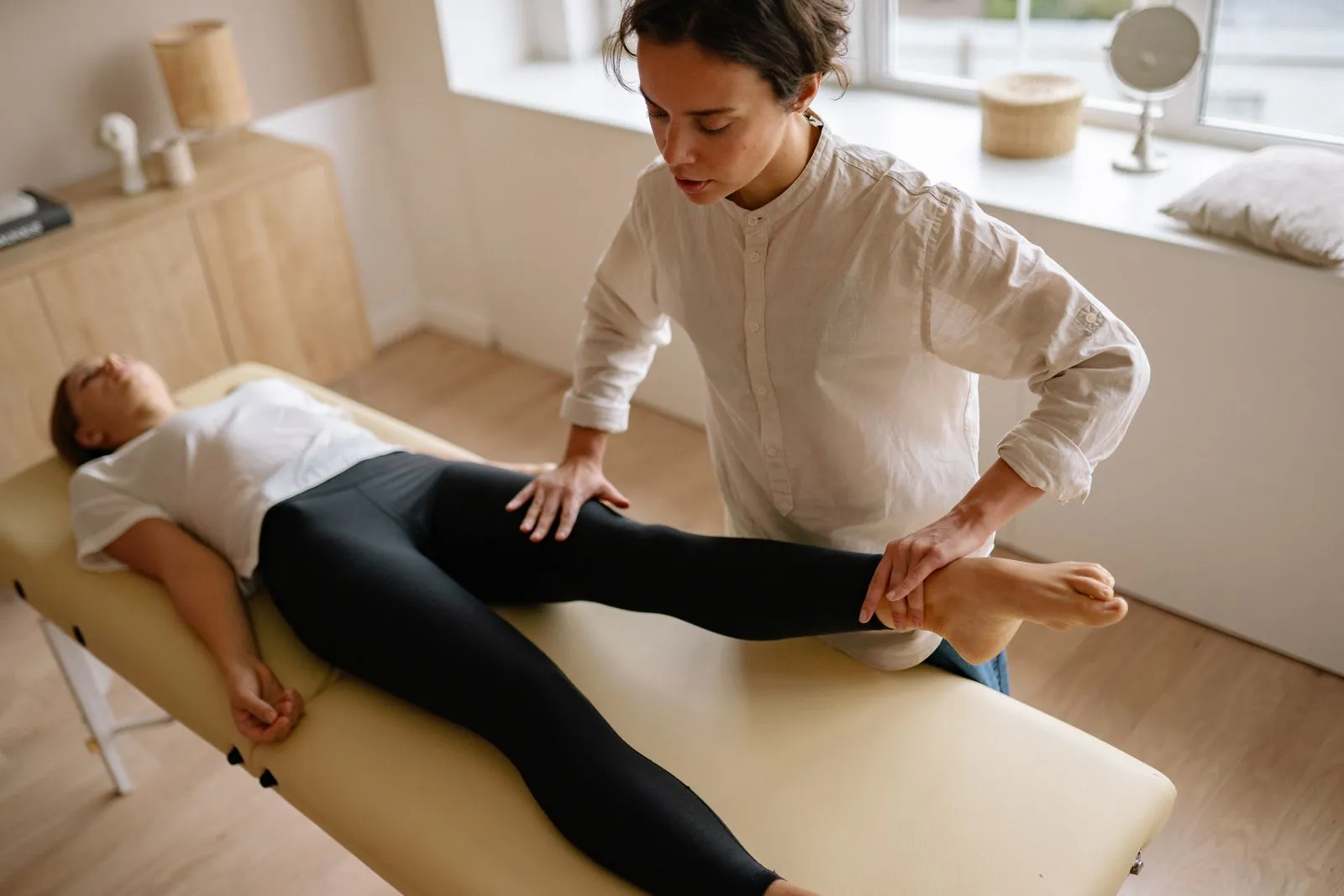
Physical therapy for neuropathy doesn't repair damaged nerves, but it has real evidence for improving balance, strength, and gait safety — which meaningfully lowers fall risk. A typical referral starts with an evaluation of your balance, strength, and sensation, followed by sessions focused on balance training, targeted exercises, and gait practice, plus a home program to continue between visits.
"Physical therapy" can sound like a vague, catch-all suggestion when a doctor mentions it for neuropathy. It's actually a fairly specific, well-defined kind of care — and knowing what to expect makes the referral much less intimidating.
What Does a Physical Therapy Referral for Neuropathy Actually Involve?
The first visit is an evaluation, not treatment. A physical therapist typically checks your gait (how you walk), your balance — often with simple tests like standing on one leg or shifting your weight with eyes closed — your leg and ankle strength, and how much sensation you have in your feet. That evaluation shapes an individual plan; no two are identical, because no two people's neuropathy affects their feet the same way. This overlaps with, but is more hands-on and functional than, the exam covered in how neuropathy in feet is diagnosed.
What Happens in a Typical Session
Once the plan is set, sessions usually combine a few core pieces:
- Balance training. Standing exercises, controlled weight shifting, and practice on different surfaces — often the single biggest focus, because reduced foot sensation is what raises fall risk in the first place.
- Strength training. Targeted exercises for the ankles, calves, and legs, since stronger muscles compensate for some of what reduced sensation takes away.
- Gait training. Practicing walking mechanics, sometimes with parallel bars or a treadmill early on, to correct patterns that develop as feet compensate for numbness.
- Sensory retraining. For some people, gentle exercises using different textures help the brain make better use of the sensation that remains.
- A home program. Exercises to continue between visits — often overlapping directly with the moves in 7 gentle exercises for neuropathy in feet.
Does It Actually Help?
This is one of the better-supported non-drug approaches for neuropathy. Balance- and strength-focused exercise programs, often delivered through physical therapy, have shown real improvements in balance scores, walking confidence, and fall risk in studies of people with diabetic peripheral neuropathy.
The honest limit: physical therapy doesn't touch the nerve damage itself. What it changes is how safely and confidently your body compensates for it — which, in practical terms, is often what determines whether neuropathy limits your daily life or not.
Physical therapy and home exercise work best together, not as alternatives. If you're not yet doing anything regularly, the gentle at-home exercises are a good starting point while you wait for or consider a referral.
Who Should Ask for a Referral
A physical therapy referral is worth asking about if…
- You've had a fall or a near-fall in the past several months
- You feel unsteady on uneven ground, stairs, or in the dark
- You've noticed your walking pattern change as symptoms progressed, including dragging your toes or tripping more (see foot drop and neuropathy if that sounds familiar)
- You're avoiding activities you used to enjoy out of fear of falling
Mention any of these directly to your doctor — a referral is a normal, low-friction next step, not a sign that things are worse than they are. If balance problems are severe or sudden, see when to see a neurologist for neuropathy in feet for what warrants faster attention.
What to Expect Around Cost and Sessions
Most insurance plans, including Medicare, typically cover physical therapy when a doctor documents it as medically necessary — but the number of covered visits, copays, and referral requirements vary by plan, so it's worth a quick call to your insurer before starting. Programs commonly run several sessions over a few weeks, tapering into a home routine you continue on your own.
Frequently Asked Questions
Does physical therapy help neuropathy?
Yes, though not by reversing nerve damage. Physical therapy focused on balance, strength, and gait training has real evidence for reducing fall risk and improving walking safety and confidence in people with peripheral neuropathy, especially diabetic neuropathy.
How many physical therapy sessions do I need for neuropathy?
It varies by individual and by insurance plan. Many programs run 6 to 12 sessions over several weeks, with a home exercise program to continue between visits. Your physical therapist will set a plan based on your evaluation.
Can physical therapy reverse nerve damage?
No. Physical therapy does not repair or regrow damaged nerves. What it can genuinely improve is how safely and confidently you move despite that damage — balance, strength, and gait — which meaningfully reduces fall risk.
Does insurance cover physical therapy for neuropathy?
Most insurance plans, including Medicare, typically cover physical therapy when a doctor documents it as medically necessary, though the number of covered visits and copay amounts vary by plan. Check your specific coverage before starting.
Sources
- Mayo Clinic — Peripheral neuropathy: Diagnosis and treatment. mayoclinic.org
- Cleveland Clinic — Peripheral Neuropathy: management and treatment. my.clevelandclinic.org
- National Institute on Aging — Falls and Fractures in Older Adults. nia.nih.gov
- National Institute of Diabetes and Digestive and Kidney Diseases — Diabetic Neuropathy. niddk.nih.gov

Written by Ellen Parker
Ellen Parker is an independent health writer. She's not a doctor — she spends her days reading clinical research on peripheral neuropathy and translating it into plain English, so you don't have to face confusing information alone. More about Ellen and this site →
This article is for education only and is not medical advice. It cannot replace an evaluation by a healthcare professional who can examine you. Always talk to your doctor about your symptoms and before changing treatment. Full medical disclaimer