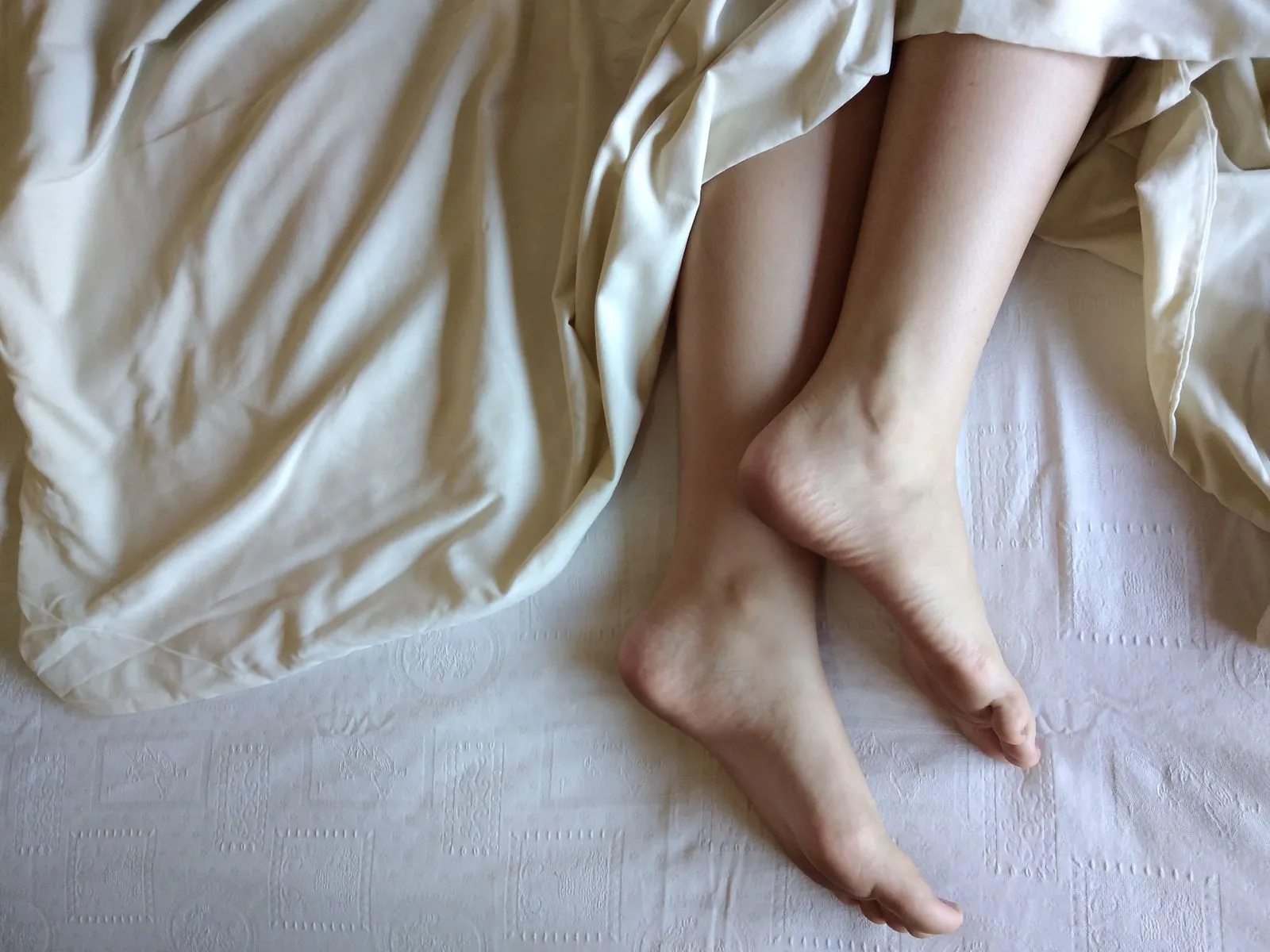
When your feet feel puffy, tight, or heavy but look exactly their normal size and shape, that's usually a nerve signal problem, not actual fluid — sometimes called pseudo-edema or "ghost swelling." Damaged nerves can misreport pressure and touch, and the brain reads that faulty signal as swelling. True fluid swelling (edema) looks visibly larger and leaves a dent when pressed; it has its own causes, some of which need a doctor's attention. A simple press test tells you which one you're dealing with.
You look down at your feet. They look completely normal — same size, same shape, nothing visibly different. But they feel swollen, tight, like your skin doesn't have the room it used to. It's a strange, unsettling mismatch between what you see and what you feel.
If that's happening to you, here's the reassuring news: this has a real explanation, and there's a simple way to sort out which kind of "swelling" you're actually dealing with.
What's Happening When Feet "Feel" Swollen But Look Normal?
Your feet rely on nerves to report pressure, tightness, and touch to your brain. When those nerves are irritated or damaged — the same kind of nerve trouble behind tingling or crawling and itching sensations — they can send faulty signals that your brain interprets as puffiness or tightness, even though nothing has actually changed in the tissue. This mismatch is sometimes called pseudo-edema, or more informally "ghost swelling."
The feeling can range from mild tightness, like your skin is stretched, to a heavy, "tight sock" sensation, even with bare feet. It belongs to the same family of sensations as paresthesia — abnormal feelings like tingling, prickling, or crawling that come from miscommunicating nerves rather than a physical change.
The Simple Press Test: Nerve Signal or Real Fluid?
This is the single most useful thing you can do at home, and it takes ten seconds:
- Press a finger firmly into the skin on the top of your foot or ankle for a few seconds.
- Let go, and look closely at the spot.
- Does it leave a visible dent that takes a few seconds (or longer) to spring back? That's called pitting, and it points toward real fluid buildup — true edema.
- Does the skin bounce back immediately, with no mark at all? That points toward a nerve signal rather than fluid, especially if the foot also looks its normal size.
This isn't a diagnosis, but it's exactly the kind of detail that helps a doctor sort out what's going on faster — write down what you find.
Swelling feelings often travel with other nerve symptoms. If zapping or shooting sensations are also part of the picture, see electric shock feeling in feet. For the full map of nerve-related sensations, start with the complete guide to neuropathy in feet.
What Real Edema Looks Like, and What Causes It
True edema is visible: the foot or ankle genuinely looks larger than usual, skin may look shiny or stretched, and it usually pits when pressed. According to Mayo Clinic, common causes include:
- Venous insufficiency. Weakened vein valves let blood pool in the lower legs, raising pressure and pushing fluid into tissue — often worse by evening or after standing.
- Prolonged sitting or standing. Gravity alone can cause mild, temporary swelling that improves with movement and elevation.
- Certain medications. Some blood pressure medications and anti-inflammatory drugs can cause fluid retention as a side effect.
- Systemic conditions. When both legs swell evenly, heart failure, kidney disease, and liver disease are common systemic drivers — these need medical evaluation, not home remedies.
Neuropathy itself can sometimes contribute a small, local component to real swelling — nerves also help regulate blood vessel tone — but the organ and vascular causes above are far more often behind visible, pitting edema.
What Helps With Each Type
Since the two causes are different, so is what genuinely helps:
- For the nerve-signal feeling: the same habits that calm other nerve symptoms tend to help here too — gentle movement, home remedies for neuropathy in feet, roomy shoes that don't add real pressure on top of the false signal, and treating whatever's driving the underlying neuropathy.
- For real, mild fluid swelling: elevating your feet above heart level, moving regularly instead of sitting or standing for long stretches, and reducing excess salt can help modest cases.
- For real swelling with a systemic cause: home habits aren't the answer — this needs a doctor to identify and treat the underlying heart, kidney, liver, or vein condition.
See a doctor promptly if…
- Only one leg is swollen, especially with warmth, redness, or pain — this can signal a blood clot and needs urgent attention
- Both legs swell evenly with no obvious cause, especially alongside shortness of breath or unusual fatigue
- A pressed dent doesn't bounce back within a few seconds (true pitting edema)
- You have diabetes and notice new swelling alongside any foot wound
- Swelling comes with chest pain or trouble breathing — seek emergency care
A quick exam, and sometimes basic bloodwork, usually sorts out which cause applies to you.
Frequently Asked Questions
Why do my feet feel swollen but look normal?
When feet feel puffy, tight, or heavy but look and press completely normal, the cause is usually a nerve signal misfire rather than actual fluid — sometimes called pseudo-edema or "ghost swelling." Damaged nerves that normally report touch and pressure can send faulty signals that the brain reads as swelling, even though nothing has changed in the tissue itself.
How can I tell if my swelling is real?
Press a finger into the skin for a few seconds and let go. If it leaves a visible dent that takes time to spring back, that's pitting edema — real fluid buildup. If your foot looks the same size as always and the press leaves no mark, despite feeling swollen, nerve signals are the more likely explanation.
What causes real swelling in the feet?
Common causes of true fluid-based swelling include venous insufficiency, prolonged standing or sitting, certain medications, and — especially when both legs swell evenly — systemic conditions like heart failure, kidney disease, or liver disease. These need a doctor's evaluation rather than home care alone.
When should I worry about swollen feet?
See a doctor promptly for swelling that's new, affects only one leg with warmth, redness, or pain, comes with shortness of breath or chest pain, or affects both legs evenly without an obvious cause. A pressed dent that doesn't bounce back also deserves a medical look rather than home treatment alone.
Sources
- Mayo Clinic — Edema: Symptoms and causes. mayoclinic.org
- Cleveland Clinic — Paresthesia: What It Is, Causes, Symptoms & Treatment. my.clevelandclinic.org
- Mayo Clinic — Peripheral neuropathy: Symptoms and causes. mayoclinic.org
- National Institute of Diabetes and Digestive and Kidney Diseases — Diabetic Neuropathy. niddk.nih.gov

Written by Ellen Parker
Ellen Parker is an independent health writer. She's not a doctor — she spends her days reading clinical research on peripheral neuropathy and translating it into plain English, so you don't have to face confusing information alone. More about Ellen and this site →
This article is for education only and is not medical advice. It cannot replace an evaluation by a healthcare professional who can examine you. Always talk to your doctor about your symptoms and before changing treatment. Full medical disclaimer