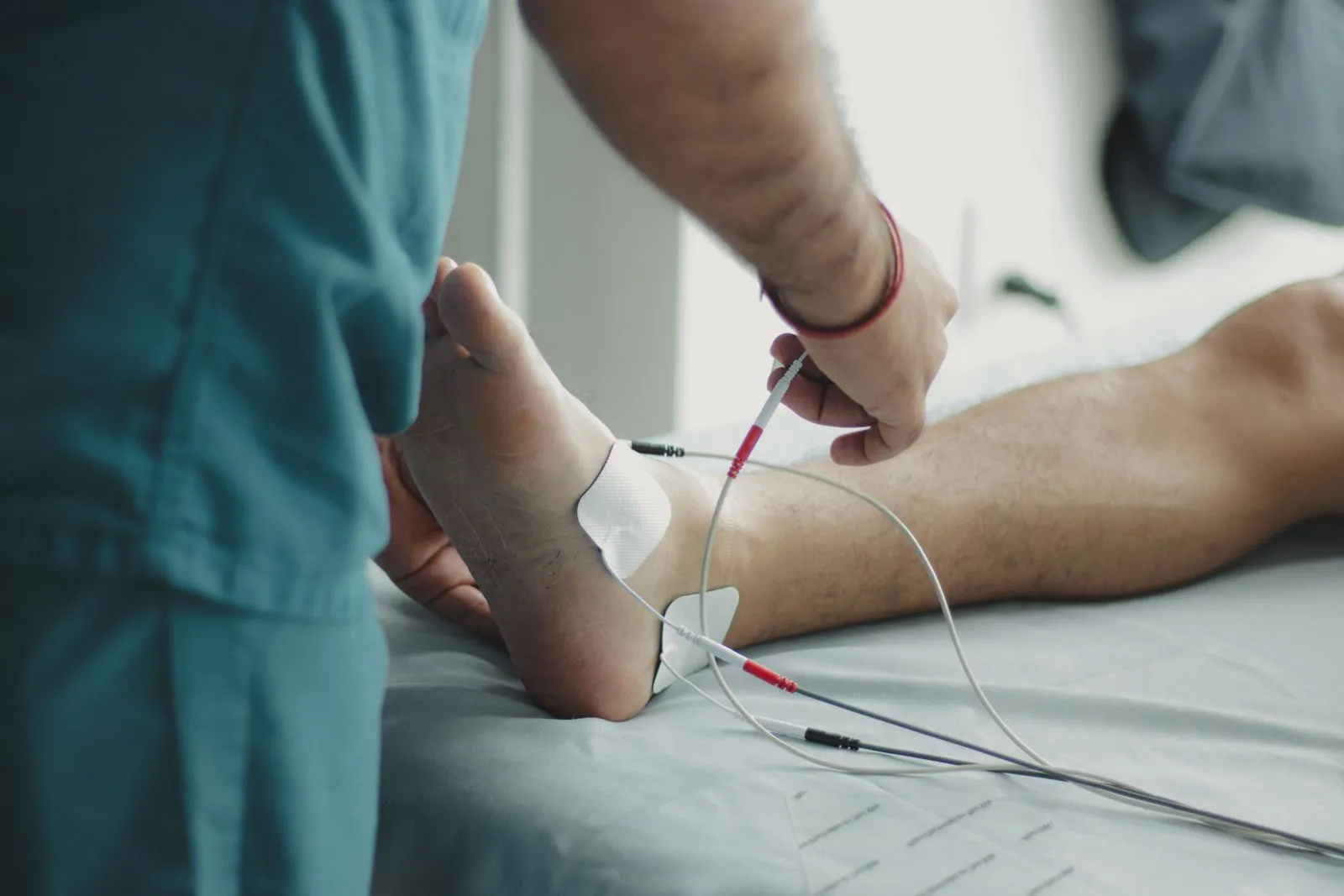
Treatment for neuropathy in feet works on two tracks at once. First, treat the cause: blood sugar control, correcting a B12 deficiency, stopping alcohol, or treating an immune condition can slow or even reverse the damage. Second, ease the symptoms. The American Academy of Neurology recommends four classes of medication that work about equally well, and advises against opioids. Lidocaine or capsaicin creams can help small painful areas. Non-drug options like exercise, physical therapy, and TENS add relief. Protective shoes and daily foot checks prevent the injuries numb feet can't feel. Most people do best combining several of these.
When you first search for treatment, it can feel like there are a hundred options and no way to tell which ones are real. Creams, devices, supplements, injections, "protocols." Some help. Many don't.
This guide sorts them by what the evidence actually supports, in the order most doctors think about them. Use it as a map. Each section links to a deeper article when you're ready to go further.
Step 1: Treat the Cause
This is the step that can change the course of the disease, not just the symptoms. According to the National Institute of Neurological Disorders and Stroke (NINDS), when the underlying cause is corrected, neuropathy can sometimes resolve as the nerves recover and regrow. What that looks like depends on the cause:
- Diabetes or prediabetes. NINDS notes that keeping blood glucose at safe levels may help reduce or eliminate the symptoms of diabetic neuropathy. See early signs of diabetic neuropathy.
- Vitamin B12 deficiency. One of the most treatable causes, especially when caught early. See B12 deficiency neuropathy.
- Alcohol. Stopping drinking is the treatment. See alcohol and neuropathy.
- Thyroid or kidney problems. Treating the condition can ease the nerve symptoms. See thyroid and neuropathy and kidney disease and neuropathy.
- Medications. If a drug is the cause, your doctor may be able to adjust it. Never stop a medication on your own.
- Immune or inflammatory causes. NINDS lists steroids, immune-suppressing drugs, immunoglobulin (IVIg), and plasma exchange for neuropathies driven by the immune system.
If no cause turns up after testing, you're not out of options. See idiopathic peripheral neuropathy for how people manage it well. And if your feet burn but your nerve tests were normal, ask about small fiber neuropathy.
Step 2: Prescription Medications for Nerve Pain
Ordinary painkillers like ibuprofen rarely help nerve pain. The medications that do were mostly developed for depression or seizures, because they calm overactive nerve signals. In 2022, the American Academy of Neurology (AAN) updated its guideline for painful diabetic neuropathy. It found four medication classes with similar effectiveness:
- SNRI antidepressants, such as duloxetine
- Gabapentinoids, such as gabapentin and pregabalin
- Tricyclic antidepressants, such as nortriptyline or amitriptyline
- Sodium channel blockers, a group of anti-seizure and heart rhythm medicines
Three practical takeaways from the guideline:
- The choice depends on you. Because they work about equally well, doctors weigh side effects, cost, and your other conditions.
- If one class doesn't work, try another. A failed first medication doesn't mean medication won't work for you.
- Opioids aren't recommended. NINDS agrees that narcotics are not recommended for neuropathy pain.
These medicines ease pain, but the National Institute of Diabetes and Digestive and Kidney Diseases (NIDDK) points out that they don't change the nerve damage itself. That's why Step 1 still matters. For doses, side effects, and what to ask, see medications for neuropathy pain.
Step 3: Creams and Patches
NINDS notes that local anesthetics and related products, such as lidocaine patches or capsaicin cream, may help when other medications don't work or cause side effects, and can be useful for small painful areas. Because they act on the skin, they cause fewer whole-body side effects. Some are sold over the counter. See foot creams for neuropathy for what each ingredient does. For the prescription capsaicin patch and other newer options, see new treatments for neuropathy in feet.
Step 4: Non-Drug Treatments
These often work best alongside medication, and some people need nothing else. NINDS notes that many people with neuropathy can manage their symptoms without medication.
- Exercise. NINDS lists exercise among the lifestyle changes that support healthier nerves. Start with gentle exercises for neuropathy in feet.
- Physical therapy. The NIDDK lists it as a non-medication treatment for nerve pain that also improves strength and balance. See what a physical therapy session involves.
- TENS. NINDS describes it as a noninvasive option that sends a gentle electrical current through pads on the skin. See TENS units for neuropathy pain.
- Complementary approaches. NINDS says acupuncture, massage, and tai chi may help people manage chronic nerve pain.
- Mind and mood support. NINDS also notes that meditation and talk therapy can help people cope with chronic pain and the depression or anxiety that often comes with it.
- Better nights. A bed cradle that keeps sheets off your feet is on the NIDDK's list too. See how to sleep with neuropathy in feet.
For habits you can start today, see home remedies for neuropathy in feet. For relief during a flare, see what stops nerve pain fast.
Wondering about supplements like alpha-lipoic acid? Our supplements guide covers what the research shows. Always check with your doctor first, since some supplements interact with medications.
Step 5: Protect Your Feet
This step doesn't ease pain, but it prevents the most serious complications. Numb feet can't warn you about injuries.
- Supportive shoes. NINDS notes that orthopedic shoes can improve walking problems and help prevent foot injuries. See shoes for neuropathy and socks for neuropathy.
- Braces if your foot is weak. When motor nerves are affected, foot braces can reduce disability and pain, according to NINDS. See foot drop and neuropathy.
- Daily foot checks. Look for cuts, blisters, and red spots every evening, and keep heating pads and hot water bottles away from numb feet.
What Doesn't Work, or Needs Caution
- Opioids are not recommended for neuropathy pain, per both the AAN and NINDS.
- Surgery to cut nerves usually isn't effective. NINDS notes it can worsen nerve damage. Newer procedures that electrically stimulate the nerves or spinal cord have largely replaced it.
- "Reverse neuropathy in 7 days" programs. Nerves regrow about an inch a month, so fast cures can't be real. See can you reverse neuropathy?
- Stopping a medication abruptly. Many nerve pain medicines need to be tapered. Talk to your doctor first.
See a doctor if…
- You haven't had basic blood tests for blood sugar, B12, thyroid, and kidney function
- Your treatment isn't helping after a fair trial, or the side effects are hard to live with
- Pain keeps you from sleeping or walking
- You notice new weakness, tripping, or a wound that won't heal
- Numbness or weakness is spreading quickly over days. That needs emergency care.
If you've tried several things without relief, it may be time to see a neurologist.
Frequently Asked Questions
What is the most effective treatment for neuropathy in feet?
The most effective step is treating the underlying cause when there is one, such as controlling blood sugar, correcting a vitamin B12 deficiency, or stopping alcohol. The National Institute of Neurological Disorders and Stroke notes that when the cause is corrected, neuropathy can sometimes resolve as nerves recover. For the pain itself, most people do best with a combination: a medication that suits them, plus non-drug options like exercise, physical therapy, or TENS.
What is the best medication for neuropathy in feet?
There's no single best one. The American Academy of Neurology's 2022 guideline for painful diabetic neuropathy found that four classes work about equally well: SNRI antidepressants such as duloxetine, gabapentinoids such as gabapentin and pregabalin, tricyclic antidepressants, and sodium channel blockers. Doctors choose based on side effects, cost, and your other health conditions, and switch to a different class if the first doesn't help. The guideline recommends against opioids.
Can neuropathy in feet be cured?
Sometimes. If the cause can be found and fixed early, symptoms may improve a great deal or go away as nerves slowly regrow. When the cause can't be removed, or damage has built up for years, treatment focuses on controlling symptoms and protecting the feet, and many people still reach a good quality of life.
What can I do at home for neuropathy in my feet?
Daily gentle exercise, a healthy diet and weight, not smoking, limiting alcohol, and steady blood sugar all support healthier nerves, according to NINDS. Checking your feet every day, wearing protective shoes, and avoiding heating pads on numb feet help prevent injuries. Some people also get relief from over-the-counter lidocaine or capsaicin creams and from a TENS unit.
Sources
- National Institute of Neurological Disorders and Stroke — Peripheral Neuropathy. ninds.nih.gov
- Price R, Smith D, Franklin G, et al. Oral and Topical Treatment of Painful Diabetic Polyneuropathy: Practice Guideline Update Summary. Neurology, 2022;98(1):31-43. pubmed.ncbi.nlm.nih.gov
- National Institute of Diabetes and Digestive and Kidney Diseases — Peripheral Neuropathy. niddk.nih.gov

Written by Ellen Parker
Ellen Parker is an independent health writer. She's not a doctor — she spends her days reading clinical research on peripheral neuropathy and translating it into plain English, so you don't have to face confusing information alone. More about Ellen and this site →
This article is for education only and is not medical advice. It cannot replace an evaluation by a healthcare professional who can examine you. Always talk to your doctor about your symptoms and before changing treatment. Full medical disclaimer